Committed to a
Greener Future
Sustainability isn't just a buzzword for us; it's the core of our existence. From the fields of Bengal to the global market, every step of our journey is designed to minimize environmental impact.
Why Jute?
The Golden Fiber Solution
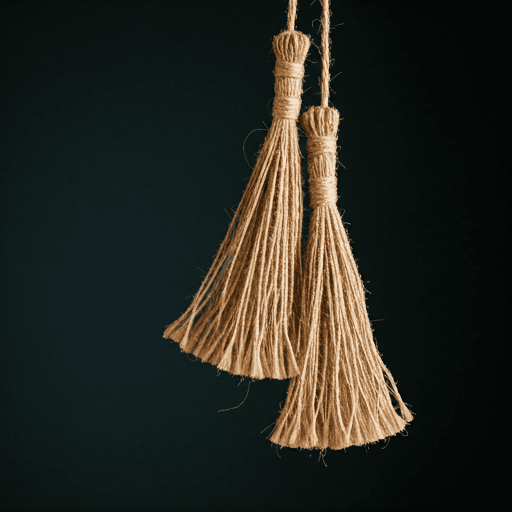
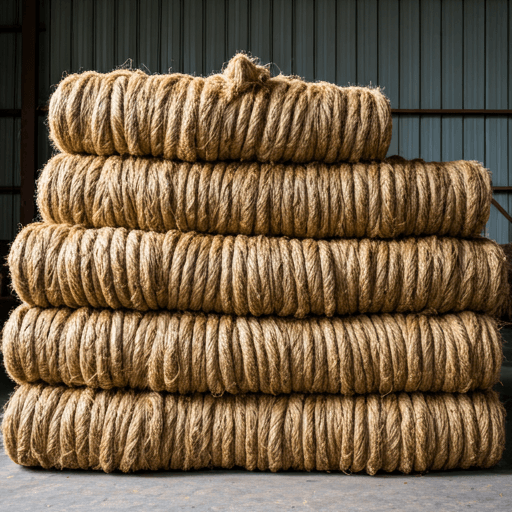
Jute is one of the most affordable natural fibers and is second only to cotton in amount produced and variety of uses of vegetable fibers. Jute falls into the category of bast fibers (fiber collected from bast or skin of the plant).
- check_circle
100% Biodegradable
Decomposes naturally without harming the soil, unlike plastic.
- check_circle
Carbon Negative
One hectare of jute plants consumes about 15 tonnes of CO2 and releases 11 tonnes of oxygen.
- check_circle
Minimal Water Footprint
Rain-fed crop with little need for fertilizer or pesticides.
Certified Excellence
Our commitment to quality and ethics is validated by global standards. We ensure fair wages, safe working conditions, and organic sourcing.
ISO 9001:2015
Quality Management System
SA 8000:2014
Social Accountability
Fair Trade
Certified Cotton
GOTS
Organic Cotton
OCS
Organic Content
GRS
Global Recycled
Sedex
Ethical Supply Chain
Oeko-Tex
Standard 100
Eco-Friendly Manufacturing
We don't just use green materials; we use green methods. Our production line is optimized for minimal waste and energy efficiency.
Water Conservation
Our dyeing unit utilizes a closed-loop water filtration system, recycling 90% of the water used in the process. We use only AZO-free, water-based dyes.
Renewable Energy
25% of our factory's energy needs are met through rooftop solar panels, significantly reducing our carbon footprint.
Zero Waste Policy
Fabric scraps are repurposed into smaller items or recycled into pulp. Nothing goes to the landfill unnecessarily.
Join the Revolution
Partner with us to provide sustainable packaging solutions for your brand and make a tangible impact on the environment.
Get Sustainable Packaging Quotearrow_forward